
Native American Totem Poles
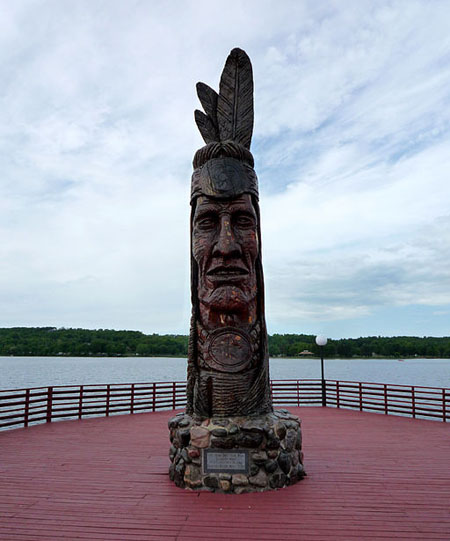
Native American totem poles are not only aesthetically pleasing; they are also culturally significant to the indigenous people who made them. Native American totem poles can be a symbol of the history of a family or of the whole tribe. They can also be a record of traditions, legends, or spiritual stories.
No one really knows when the white man first saw a totem pole, but it is evident that they were being made long before Europeans came to America.
Native American totem poles are hand carved from large pieces of wood. They usually contained themes and were covered with pictures of animals. They often sat in the center of a family’s tent and if they had to be moved only a man could carry it. In other cases the poles were placed outside of the tents as a status symbol.
These totem poles were also widely used as memorials when a tribe’s chief died. Often his accomplishments and achievements would be carved into a pole as a tribute to their lives. The cremated ashes of the chief were usually placed in a hollowed out portion of the pole.
Another use of the Native American totem pole was to bring shame to a member of the tribe. The shame pole was meant to disgrace an individual and would stay in place until peace was made.
Native American totem poles are highly sought after works of art. A real totem pole takes a long time to create and therefore is usually very costly. However, there immense popularity has caused them to be mass produced. These reproductions are created by machine, rather than being carved by Native Americans. In actuality the profits from these types of manufactured totem poles often never makes it back to the Native Americans who designed them. Today you can find many original Native American totem poles on display in museums.