
History of Native Americans and more

Native American Rain Dance
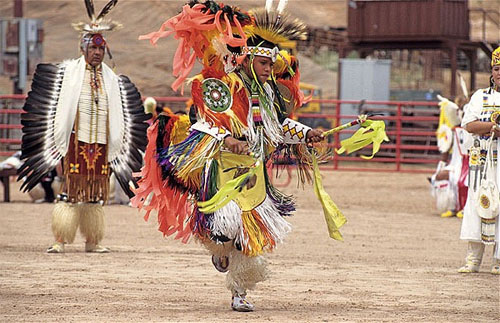
When reading about the history of our country and in particular, the Native Americans many people have heard of a ceremonial tradition that is known as the Native American rain dance. The Native American rain dance was the most common among the Native American tribes in the southwest of America, since during the summers there they would have long droughts.

The droughts could bring serious problems for the natives since having some rain was essential for their survival and their food crops. The rain dance would usually take place in the driest month of the year, so usually this ritual was performed in mid to late August ever year. The Native American rain dance was performed by both the men and women of the tribe, unlike other tribal rituals where only men were allowed.
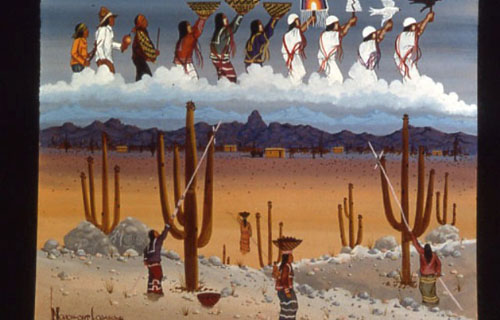
The Native Americans wore special costumes when performing the Native American rain dance ceremony, and these costumes were used just for this specific ceremony every year. The men would have long hair waving in the ceremony and the women wore their hair in a special tribal wrap at the sides of their heads. The mask that the Indian men wear is a mask with a turquoise strip that stretches from ear to ear across the face of the mask. Then the bottom is a band of blue, yellow, and red rectangles. A fringe of horsehair hangs from the bottom which covers the throat and three white feathers hang from the top of the male mask. The women’s mask is somewhat similar but instead of a turquoise stripe theirs is white and they do not have the rectangles on the bottom or the horsehair. The women’s masks also have goat hair around the top and an Eagles feather hangs over their face. The men also have their bodies painted up by tribal standards and wear special beads and they wore a fox skin hung behind them and also a silver bracelet and white apron type cloth. They also wore turquoise moccasins. The women wore a black dress and no parts of their bodies were shown except their bare feet. Then they wore a bright colored shawl with one black and one white shawl over that. Then they all lined up and performed the Native American rain dance in hopes of bringing the rain that they desperately need. Many reservations in the southwest still perform this ritual to this day.


American Indians
Looking for something different? Search our site.
Google
 
 
Native Americans
Famous Native Americans
Native American Ancestry
Native American Actors
Native American Art
Native American Artifacts
Native American Artists
Native American Beadwork
Native American Bear
Native American Belts
Native American Blankets
Native American Boarding Schools
Native American Business
Native American Calendar
Native American Chokers
Native American Clip Art
Native American Clothing
Native American Crafts
Native American Culture
Native American Dancers
Native American Decor
Native American Designs
Native American Dolls
Native American Drawings
Native American Dream Catchers
Native American Dresses
Native American Drums
Native American Educaiton
Native American Feathers
Native American Flutes
Native American Food
Native American Gifts
Native American Grants
Native American Hair Ties
Native American Headdress
Native American Herbal Remedies
Native American History
Native American Horses
Native American Indians
Native American Indian Jewelry
Native American Indian Rugs
Native American Instruments
Native American Language
Native American Legends
Native American Masks
Native American Medicine
Native American Moccasins
Native American Movies
Native American Music
Native American Mythology
Native American Myths
Native American Names
Native American Painting
Native American Poetry
Native American Pottery
Native American Pow Wow
Native American Quotes
Native American Rain Dance
Native American Recipes
Native American Regalia
Native American Remedies
Native American Reservations
Native American Rings
Native American Ringtones
Native American Rugs
Native American Shields
Native American Silver
Native American Silver Bracelets
Native American Songs
Native American Spears
Native American Stone Tools
Native American Symbols
Native American Tattoos
Native American Tattoo Designs
Native American Tribal Tattoos
Native American Tomahawks
Native American Tools
Native American Totem Poles
Native American Toys
Native American Tribes
Native American Turquoise Jewelry
Native American Warrior
Native American Weapons
Native American Wedding Dresses
Native American Wedding Rings
Native American Women
Native American Womens Bracelet

Indian Motorcycles
Native American Tribes:
Anasazi Indians
Apache Indians
Aztec Indians
Blackfoot Indians
Cherokee Indians
Cheyenne Indians
Chinook Indians
Chippewa Indians
Choctaw Indians
Comanche Indians
Cree Indians
Creek Indians
Crow Indians
Eastern Woodland Indians
Hopi Indians
Iroquois Indians
Lakota Indians
Mayan Indians
Mohawk Indians
Navajo Indians
Nez Perce Indians
Pawnee Indians
Plains Indians
Pueblo Indians
Seminole Indians
Seneca Indians
Sioux Indians
Shawnee Indians
Shoshone Indians
Southwest Indians
Taino Indians
Zuni Indians


NativeNet Archives
ASISESNet
About ASISESNet
Acknowledge an Indian Tribe
Algonquin or Algonkian?
American Indian Movement
Career Opportunities
Democratic Convention in Chiapas
Dene Cultural Institute Newsletter
Kansa (Kaw) Indians
NATCHAT - Library of Congress
NATLANG - 1990-1993
NATLANG - 1995
NATLANG - July 1995
NATLANG - 1997
NativeNet Mailing Lists
NGOS Against Indians/Brazil
The Medicine Wheel
American Indian Art/Ward Churchill
Wisconsin Tribes Resist Exxon

Contact Us

© Native-Net.org 2005-2012