
History of Native Americans and more

Native American Dream Catchers
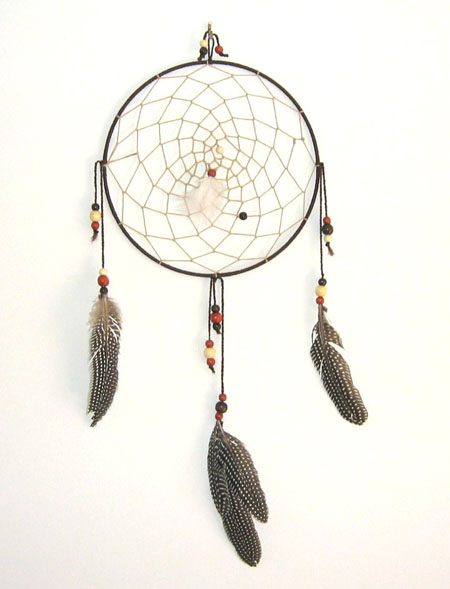
According to the Native American people, dreams are messages that come from the sacred spirits. There are different stories pertaining to Native American dream catchers and these are variations of the legend as seen by different Native American tribes. One version states that the hole in the middle of Native American dream catchers allows  the good dreams to be passed on to the sleeper, while the web traps all of the bad dreams, and then at the first light of morning the bad dreams would disappear.

Another version of the story about Native American dream catchers says that the web will capture all of the good dreams and let the bad dreams go out through the hole. Dream catchers were thought to have originated with the Ojibwe tribe, also known to many as the Chippewa Indians. And there are many stories about how the dream catcher came to be. The Ojibwe tribes used to tie strands of sinew in webs around a tear-shaped frame and then they would hang the dream catcher above a sleeping Native American child’s bed to help protect them from nightmares.
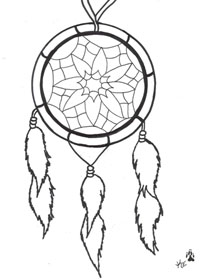
Normally Native American dream catchers are fairly small and are made by bending wood (originally birch) and sinew string tied together. A feather was usually seen hanging from the webbing. Today it is very common to see Native American dream catchers in many places. You can see them hanging from car mirrors, on people’s walls as decorations, and even in many modern day tattoo designs. Many are mass produced and sold as decoration but it is still possible to find real authentic hand made Native American dream catchers. There are thousand of Native Americans that live on reservations and others that live on their own that are still Native American traditionalists, and among these Native people you can find these authentic dreamcatchers. Over time the dreamcatcher was also adopted by many other Native American tribes’ throughout the land and they gained a lot of popularity as beautiful decorations in the 1960’s and 70’s. When you find somewhere to obtain an authentic dream catcher nowadays it will usually come with a certificate of authenticity with the name of the Native American artist who made the dreamcatcher on it, this will help ensure you it is a real Native American dreamcatcher.


American Indians
Looking for something different? Search our site.
Google
 
 
Native Americans
Famous Native Americans
Native American Ancestry
Native American Actors
Native American Art
Native American Artifacts
Native American Artists
Native American Beadwork
Native American Bear
Native American Belts
Native American Blankets
Native American Boarding Schools
Native American Business
Native American Calendar
Native American Chokers
Native American Clip Art
Native American Clothing
Native American Crafts
Native American Culture
Native American Dancers
Native American Decor
Native American Designs
Native American Dolls
Native American Drawings
Native American Dream Catchers
Native American Dresses
Native American Drums
Native American Educaiton
Native American Feathers
Native American Flutes
Native American Food
Native American Gifts
Native American Grants
Native American Hair Ties
Native American Headdress
Native American Herbal Remedies
Native American History
Native American Horses
Native American Indians
Native American Indian Jewelry
Native American Indian Rugs
Native American Instruments
Native American Language
Native American Legends
Native American Masks
Native American Medicine
Native American Moccasins
Native American Movies
Native American Music
Native American Mythology
Native American Myths
Native American Names
Native American Painting
Native American Poetry
Native American Pottery
Native American Pow Wow
Native American Quotes
Native American Rain Dance
Native American Recipes
Native American Regalia
Native American Remedies
Native American Reservations
Native American Rings
Native American Ringtones
Native American Rugs
Native American Shields
Native American Silver
Native American Silver Bracelets
Native American Songs
Native American Spears
Native American Stone Tools
Native American Symbols
Native American Tattoos
Native American Tattoo Designs
Native American Tribal Tattoos
Native American Tomahawks
Native American Tools
Native American Totem Poles
Native American Toys
Native American Tribes
Native American Turquoise Jewelry
Native American Warrior
Native American Weapons
Native American Wedding Dresses
Native American Wedding Rings
Native American Women
Native American Womens Bracelet

Indian Motorcycles
Native American Tribes:
Anasazi Indians
Apache Indians
Aztec Indians
Blackfoot Indians
Cherokee Indians
Cheyenne Indians
Chinook Indians
Chippewa Indians
Choctaw Indians
Comanche Indians
Cree Indians
Creek Indians
Crow Indians
Eastern Woodland Indians
Hopi Indians
Iroquois Indians
Lakota Indians
Mayan Indians
Mohawk Indians
Navajo Indians
Nez Perce Indians
Pawnee Indians
Plains Indians
Pueblo Indians
Seminole Indians
Seneca Indians
Sioux Indians
Shawnee Indians
Shoshone Indians
Southwest Indians
Taino Indians
Zuni Indians


NativeNet Archives
ASISESNet
About ASISESNet
Acknowledge an Indian Tribe
Algonquin or Algonkian?
American Indian Movement
Career Opportunities
Democratic Convention in Chiapas
Dene Cultural Institute Newsletter
Kansa (Kaw) Indians
NATCHAT - Library of Congress
NATLANG - 1990-1993
NATLANG - 1995
NATLANG - July 1995
NATLANG - 1997
NativeNet Mailing Lists
NGOS Against Indians/Brazil
The Medicine Wheel
American Indian Art/Ward Churchill
Wisconsin Tribes Resist Exxon

Contact Us

© Native-Net.org 2005-2012