
History of Native Americans and more

Native American Clothing
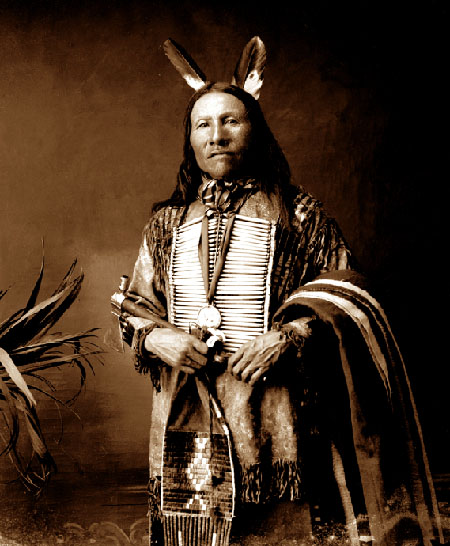
Since the Native American people relied so heavily on nature and everything that was found in their environments it is no wonder that much of the Native American clothing was made from the hides of the animals that roamed their tribe’s territories. Native American men from tribes in warmer climates simply wore loincloths; a loincloth is a long piece of hide tucked into a belt that hangs down in front and back. In the colder climates many men wore loincloths but would also wear leggings made from hides and fur to protect their legs and keep them warm in the winter months.

Native American clothing varied greatly from tribe to tribe as well. Each tribe was easily recognized by their style of clothing. Much of the different tribal Native American clothing was adorned with things such as feathers, porcupine quills, and other colorful things that had symbolism to their tribes’ culture. There are other tribes wear the men would wear kilt type garments or sometimes even pants made out of animal fur, sometimes the pants would just be made out of soft leather and have fringes down the sides of the legs. On their feet most tribes wore some form of moccasins that they fashioned out of animal hides, these protected their feet and with soft leather soles helped them remain quiet while hunting. Some tribal men from certain tribes would also adorn their heads with feather headdresses, and these usually had significant meanings, from the colors of the feathers to the number of feathers.
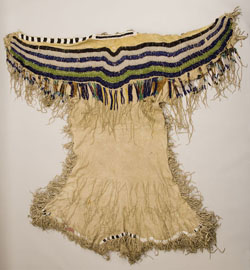
The Native American clothing worn by Native women was usually skirts made from animal hides and they would wear fur leggings underneath in the colder regions. The leggings the women would wear would usually come only to their knees, since that was the part of their legs that were exposed under their skirts. Sometimes in certain tribes the Native American women would attach their leggings to their moccasins, making a sort of boot. Much of the Native American clothing you would see would be painted or decorated in some sort of way customary to their tribe. Over the years Native American clothing evolved and some tribes were able to trade and get cloth or beads, they could make clothing out of cloth and they would use beads as added decorations to their clothing. Native Americans would also have things sewn into their clothing to symbolize a great achievement, or for being a great warrior. Other times patterns would be sewn in just as added decorations. When the European settlers arrived some of their styles worked their way in Native American culture.

American Indians
Looking for something different? Search our site.
Google
 
 
Native Americans
Famous Native Americans
Native American Ancestry
Native American Actors
Native American Art
Native American Artifacts
Native American Artists
Native American Beadwork
Native American Bear
Native American Belts
Native American Blankets
Native American Boarding Schools
Native American Business
Native American Calendar
Native American Chokers
Native American Clip Art
Native American Clothing
Native American Crafts
Native American Culture
Native American Dancers
Native American Decor
Native American Designs
Native American Dolls
Native American Drawings
Native American Dream Catchers
Native American Dresses
Native American Drums
Native American Educaiton
Native American Feathers
Native American Flutes
Native American Food
Native American Gifts
Native American Grants
Native American Hair Ties
Native American Herbal Remedies
Native American History
Native American Horses
Native American Indians
Native American Indian Jewelry
Native American Indian Rugs
Native American Instruments
Native American Language
Native American Legends
Native American Masks
Native American Medicine
Native American Moccasins
Native American Movies
Native American Music
Native American Mythology
Native American Names
Native American Painting
Native American Poetry
Native American Pottery
Native American Pow Wow
Native American Rain Dance
Native American Recipes
Native American Regalia
Native American Remedies
Native American Rings
Native American Ringtones
Native American Rugs
Native American Shields
Native American Silver
Native American Silver Bracelets
Native American Songs
Native American Spears
Native American Stone Tools
Native American Symbols
Native American Tattoos
Native American Tattoo Designs
Native American Tribal Tattoos
Native American Tomahawks
Native American Tools
Native American Totem Poles
Native American Toys
Native American Tribes
Native American Turquoise Jewelry
Native American Warrior
Native American Weapons
Native American Wedding Dresses
Native American Wedding Rings
Native American Women
Native American Womens Bracelet

Indian Motorcycles
Native American Tribes:
Anasazi Indians
Apache Indians
Aztec Indians
Blackfoot Indians
Cherokee Indians
Cheyenne Indians
Chinook Indians
Chippewa Indians
Choctaw Indians
Comanche Indians
Cree Indians
Creek Indians
Crow Indians
Eastern Woodland Indians
Hopi Indians
Iroquois Indians
Lakota Indians
Mayan Indians
Mohawk Indians
Navajo Indians
Nez Perce Indians
Pawnee Indians
Plains Indians
Pueblo Indians
Seminole Indians
Seneca Indians
Sioux Indians
Shawnee Indians
Shoshone Indians
Southwest Indians
Taino Indians
Zuni Indians


NativeNet Archives
ASISESNet
About ASISESNet
Acknowledge an Indian Tribe
Algonquin or Algonkian?
American Indian Movement
Career Opportunities
Democratic Convention in Chiapas
Dene Cultural Institute Newsletter
Kansa (Kaw) Indians
NATCHAT - Library of Congress
NATLANG - 1990-1993
NATLANG - 1995
NATLANG - July 1995
NATLANG - 1997
NativeNet Mailing Lists
NGOS Against Indians/Brazil
The Medicine Wheel
American Indian Art/Ward Churchill
Wisconsin Tribes Resist Exxon

Contact Us

© Native-Net.org 2005-2007